Last updated on at 03:10 pm
Planning a European getaway? Same. Cobblestones, croissants, castles—and a suitcase that definitely won’t close unless you sit on it. This guide covers exactly the things to bring when traveling to Europe, from adapters and comfy shoes to season-smart outfits and the documents you’ll be glad you triple-checked. Consider this your friendly, practical, mildly funny packing list that keeps it real and stays accurate.

This post may contain affiliate links that may earn me a commission, at no additional cost to you, if you buy via them. As an Amazon Associate, I earn from qualifying purchases. Please see our Disclosure for more info.
Why this list works (and won’t get you side-eyed by airport security)
This guide focuses on essentials that actually matter across Europe’s mix of old towns, beaches, mountains, and museums. You’ll find safety tips, smart tech, and packing strategies that cut weight—not vibes.
Documents & money: the “don’t-leave-home-without-it” crew
- Passport and copies: Keep a digital copy in your email/cloud and a paper copy in a separate bag. Many European countries require your passport to be valid for at least 3 months beyond your planned departure date from the Schengen Area; always verify your exact entry rules before you go.
- Driver’s license + International Driving Permit (if you plan to rent a car): Some rental companies require an IDP in addition to your license.
- Travel insurance details: Save your policy number and emergency contact; screenshots live even without Wi-Fi.
- Credit/debit cards: Bring at least two cards from different networks, ideally with no foreign transaction fees. ATMs generally give better rates than currency exchange kiosks.
- A small amount of local cash: Handy for small vendors, rural buses, and coin-operated lockers.
- Confirmed bookings and tickets: Download rail passes, museum timed entries, and boarding passes offline.
Travel Documents Holder


Power & tech: Europe’s electricity and your gadgets
- Universal travel adapter that supports plugs common across continental Europe (Type C and Type E/F are widely used).
- Voltage matters: Most of Europe runs on 230V, 50Hz. Most phone/laptop chargers are dual-voltage; high-heat tools (some hair dryers/straighteners) may not be—check labels to avoid an accidental science experiment.
- Power bank for long train days (airlines typically allow power banks up to 100Wh in carry-on—check your airline).
- Unlocked phone + eSIM/physical SIM options: Download maps and translation offline; Google Maps and Apple Maps both allow offline areas.
- Compact power strip (non-surge): Hotels often have limited outlets.
- Cable pouch: Keep cords, SD cards, and adapters tame so you don’t have to spelunk through your backpack.
Powerbank

Luggage strategy: roll smarter, not heavier
- Carry-on + personal item: Airline size rules vary—check yours—but a common carry-on guideline is around 55 × 40 × 23 cm.
- Packing cubes or compression sacks: They’re magic for organization (and pretending you’re minimalistic).
- Lightweight daypack or crossbody: Ideal for daily sightseeing; choose one that zips fully closed.
- Foldable tote: For groceries, beach days, or overflow when your “I’ll buy nothing” plan fails.
- Luggage lock: Optional, but useful for hostels or overhead bins on busy trains.
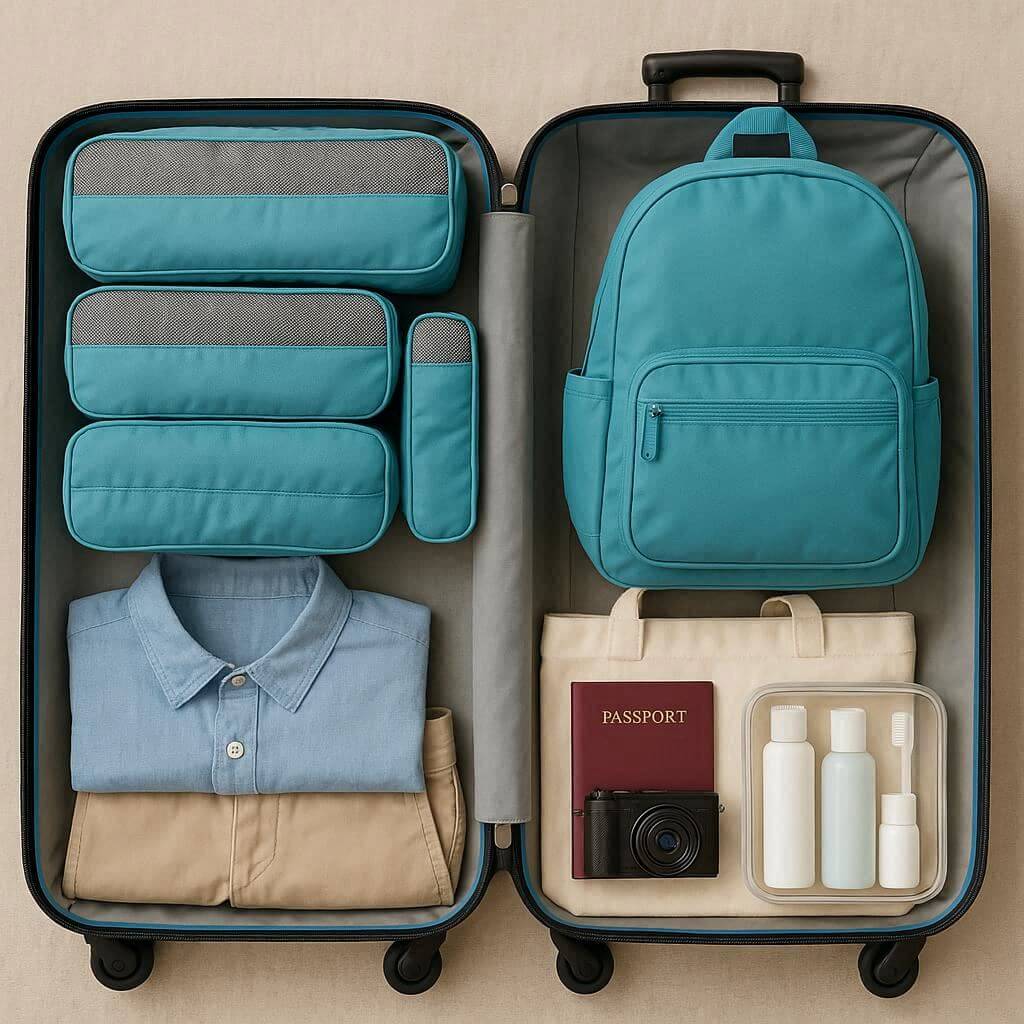
Packing Cubes

Footwear: your feet will thank you (and walk you 20k steps)
- One pair of broken-in walking sneakers with good grip (cobblestones + rainy days = slippery).
- One pair of casual shoes you can dress up (loafers/ankle boots/clean trainers).
- Optional sandals (spring/summer) or waterproof boots (late fall/winter).
- Thin, breathable socks + blister patches—future you will weep with gratitude.
Walking Shoes

Clothing by season (because Europe is a mood and that mood changes)
Spring (March–May)
- Light waterproof jacket, compact umbrella, layers (tee + light sweater).
- Neutrals you can mix and match; a scarf makes church visits easier where modest attire is appreciated.

Summer (June–August)
- Breathable fabrics (linen, cotton), a sunhat, sunglasses, and sunscreen.
- A light cardigan or scarf for cooler evenings and conservative sites.
- Swimwear if beaches, lakes, or hotel spas are on the agenda (hello, Italy, Greece, Croatia, Spain, Portugal).

Fall (September–November)
- Packable raincoat, mid-weight layers, ankle boots.
- Umbrella and quick-dry socks—European rain loves surprise entrances.
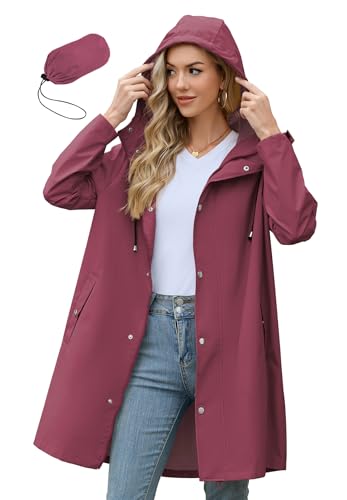
Related Read: The Best Ankle Boots for Walking in Europe
Winter (December–February)
- Warm coat, heat-tech base layers, gloves, hat, and a scarf.
- Waterproof footwear with tread if you’ll be on icy streets (looking at you, Northern and Central Europe).
- Compact thermos for hot tea or coffee if you’re doing long outdoor wanders.
Toiletries & meds: airport-friendly and sensible
- Liquids in containers of 100 ml (3.4 oz) or less in a 1-liter, resealable clear bag for airport security in many European airports.
- Prescription medications in original packaging with copies of prescriptions.
- Mini first-aid: pain reliever, motion-sickness tabs, adhesive bandages, antihistamines.
- Sunscreen (reef-safe for beach destinations), lip balm, hand sanitizer, tissues (some public WCs run out).
- Reusable, leak-proof toiletry bottles and a hanging wash bag (tiny hotel sinks are real).
Safety & common-sense extras
- Anti-theft crossbody or belt bag with full zipper; keep wallets and phones close in crowded areas.
- RFID sleeves (optional); not essential, but some travelers like the peace of mind.
- Compact combination lock for hostel lockers or luggage storage.
- Copy of emergency numbers (112 is the general emergency number across the EU).
- Small flashlight or phone light for late-night keyholes in centuries-old doors.
Train, bus, and budget airline survival kit
- Snacks and a refillable water bottle (many cities have safe public fountains; always read local signage).
- Lightweight scarf/cardigan (air-con can be… enthusiastic).
- Headphones and an offline playlist—tunnels can kill streaming.
- Eye mask and inflatable neck pillow for overnight journeys.
- Pen for customs forms where applicable (yes, pens still exist).

Beach, lakes, and thermal spa add-ons
- Quick-dry towel and a packable beach blanket.
- Waterproof phone pouch if you’ll be boating or island-hopping.
- Flip-flops for communal showers or spa areas (some spas require them).
- Modest cover-up for wandering into town from the beach.
City-break add-ons (museums, churches, Michelin dreams)
- Modesty layer: shawl, scarf, or lightweight cardigan for sites with dress codes.
- Small tote for museum shops/markets (because souvenirs).
- Portable stain remover for gelato and tapas incidents.
Photography & content creation
- Phone with enough storage or a small mirrorless camera.
- Extra SD card and battery.
- Microfiber cloth (smudges happen).
- Mini tripod if you shoot solo—check site rules, as some places restrict tripods.
Sustainable swaps that make sense
- Reusable water bottle and cutlery set.
- Solid toiletries (shampoo/conditioner bars) to cut liquids and plastic.
- Reusable shopping bag for markets and groceries.
What not to bring (or at least think twice about)
- Too many shoes (pick 2–3 max, wear the bulkiest on the plane).
- Heavy hair tools not rated for 230V (unless dual-voltage).
- Giant suitcase if you’re staying in old towns with no lifts and charmingly narrow stairs.
- Excess cash—use ATMs as needed and split your cards between bags.
Smart packing method (the 5–4–3–2–1 rule)
- 5 tops, 4 bottoms, 3 pairs of shoes, 2 outer layers, 1 dressy outfit (adjust for trip length and season).
- Aim for a mix-and-match color palette so every top works with every bottom.
Quick checklist: things to bring when traveling to Europe
- Passport + copies, travel insurance, cards (backup too), a bit of cash
- Universal adapter (Type C/E/F compatible), dual-voltage chargers, power bank
- Unlocked phone, offline maps, translation app
- Walking shoes, dress-up shoes, seasonal footwear
- Layerable outfits matched to the season, scarf
- Toiletries within 100 ml, prescriptions in original packaging
- Reusable water bottle, compact umbrella, packable raincoat
- Daypack/crossbody with zipper, small lock, foldable tote
- Snacks for trains, headphones, eye mask
- Camera/phone storage, mini tripod (if allowed)
- First-aid basics and blister patches
FAQs about things to bring when traveling to Europe
Do I need a specific power adapter?
Most of continental Europe uses Type C and Type E/F sockets with 230V, 50Hz. Bring a quality universal adapter and confirm your devices are dual-voltage.
Can I rely on cards, or should I carry cash?
Cards work widely, especially in cities, but a small amount of cash helps in markets, small cafés, or rural transport. ATMs usually offer fair rates.
What’s the liquid rule at airports?
Many European airports follow the 100 ml per container rule, all fitting in a 1-liter clear bag for carry-on security. Rules can vary slightly—check your departure airport’s latest guidance.
Are pickpockets really a thing?
In busy tourist zones, yes. Use a zipped bag, keep valuables in front of you, and avoid leaving phones on café tables.
What if I’m visiting churches and historic sites?
Some places expect covered shoulders/knees. Carry a scarf or light layer to be respectful and avoid being turned away.
Final tips to keep your bag light and your trip happy
- Wear your bulkiest items on travel days.
- Do laundry halfway through—sink-wash or use a local laundrette.
- Leave suitcase “white space” for souvenirs (or snacks—no judgment).
- Most importantly: pack curiosity and comfortable shoes. Europe rewards both.
Enjoy the trip—and may your luggage wheels survive those adorable medieval streets.
📌 Pin to Save 📌
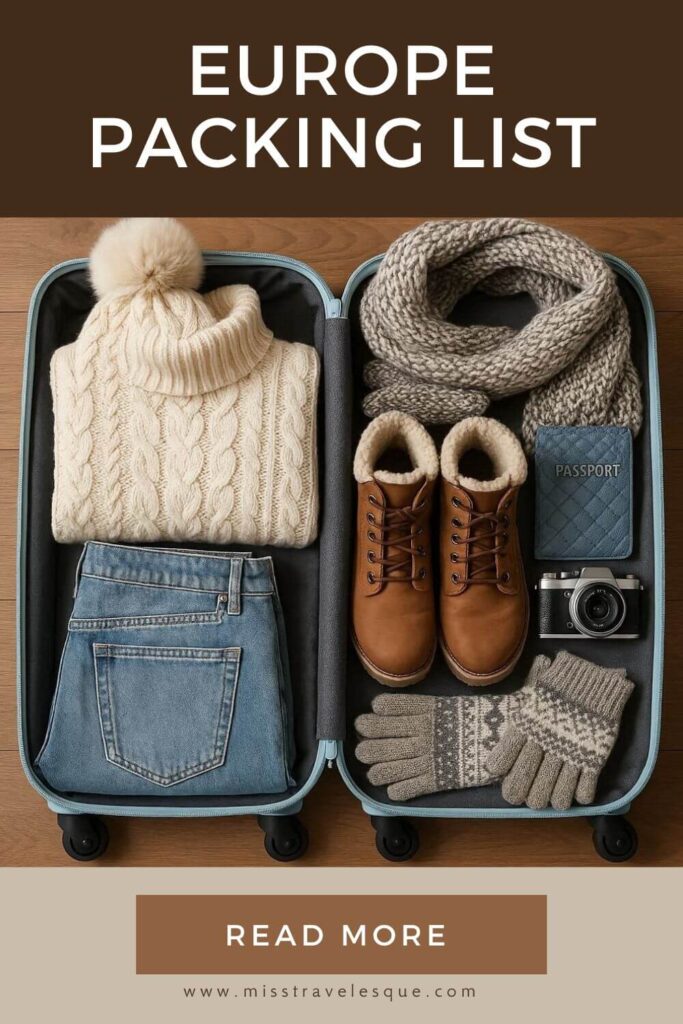
Follow me on:




Leave a Reply