Last updated on at 03:32 pm
Finding the best coat for travel in Europe can feel surprisingly complicated. You want something warm enough for chilly mornings, comfortable enough for long sightseeing days, and stylish enough that you do not look like you packed for an expedition to Antarctica.
And then there is the luggage problem. A bulky coat can take up a ridiculous amount of space in a suitcase, especially when you are traveling between cities by train or carrying your bags through cobblestone streets.
The good news is that you do not need a different coat for every destination. The right travel coat can work across several European cities and weather conditions, while also fitting easily into a practical travel wardrobe.

This post may contain affiliate links that may earn me a commission, at no additional cost to you, if you buy via them. As an Amazon Associate, I earn from qualifying purchases. Please see our Disclosure for more info.
Here is what to look for when choosing the best coat for travel in Europe.
What Is the Best Coat for Travel in Europe?
For most travelers, the best coat for travel in Europe is a versatile, weather-resistant coat that is warm enough for the season, comfortable for walking, and easy to style with different outfits.
A mid-length insulated coat, wool-blend coat, lightweight down jacket, or water-resistant parka can all work well depending on when and where you are traveling.
Your destination and travel month matter considerably. A coat that is perfect for Paris in October may not be enough for a December trip to Prague.
If you are traveling through several countries, versatility becomes even more important.
Related Read: 10 Best Lightweight Women’s Jacket for Travel to Europe
1. A Water-Resistant Puffer Coat
A lightweight puffer coat is one of the most practical choices for European travel during colder months.


Many modern puffers provide substantial warmth without being extremely bulky. Some can also be compressed for packing, which is wonderfully useful when your suitcase is already threatening to stage a rebellion.
Look for a puffer with a water-resistant outer fabric, a comfortable hood, and enough room for a sweater underneath.

A hip-length or mid-thigh design is particularly practical for sightseeing because it provides warmth while allowing plenty of movement.
A neutral color such as black, navy, camel, gray, or olive can also make the coat easier to wear with the rest of your travel wardrobe.
2. A Classic Wool Coat
If your European itinerary involves cities, museums, restaurants, shopping, and plenty of photographs, a wool-blend coat is a timeless option.
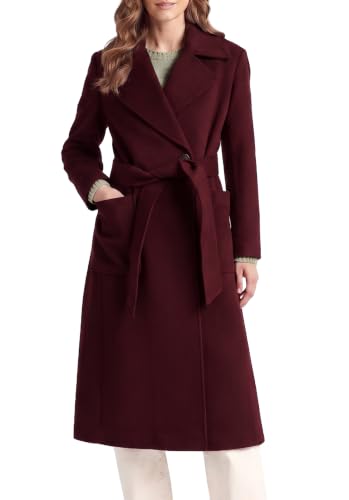
A classic wool coat instantly makes a simple travel outfit look polished. Jeans, ankle boots, a sweater, and a wool coat can take you from sightseeing to dinner without requiring an outfit change.
Choose a coat with a relatively simple silhouette so you can wear it with trousers, jeans, dresses, and skirts.

A mid-length style is particularly versatile. It provides more coverage than a short jacket without being as cumbersome as a very long coat.
One thing to remember is that wool coats can be heavier and bulkier than technical insulated jackets. They may also provide less protection from prolonged rain, so check the fabric composition and weather conditions for your destination.
3. A Water-Resistant Parka
A parka can be an excellent choice if your European vacation includes unpredictable weather.
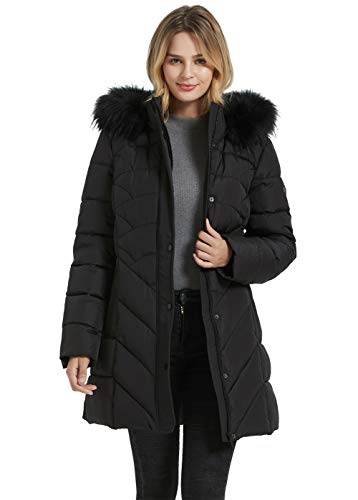
Look for a design that combines insulation with water resistance or waterproof construction. A hood is another useful feature, particularly if you expect rain.

Parkas are especially practical for travelers who plan to spend hours outdoors. Walking tours, Christmas markets, countryside visits, and sightseeing days can involve a lot of time outside, and a practical coat can make the experience much more comfortable.
Choose one with useful pockets for small essentials such as tissues, gloves, or your phone.
4. A Lightweight Down Jacket
A lightweight down jacket is another strong contender for the best coat for travel in Europe, particularly if you are visiting during fall, spring, or winter and want something packable.

Down jackets are known for providing a high level of warmth relative to their weight. Many lightweight styles can also be compressed into a small space when you are traveling.
For wet destinations, pay attention to the jacket’s construction and care instructions. Some down products use water-resistant treatments or other features designed to help with damp conditions, but not every down jacket is intended for prolonged rain.
A lightweight down jacket can also work beautifully as part of a layering system. Wear it over a sweater on colder days, or under a larger weatherproof shell when conditions require additional protection.
5. A Trench Coat for Mild Weather
Traveling to Europe during spring or early fall? You may not need a heavily insulated coat at all.
A classic trench coat can be an excellent option for milder destinations and transitional weather. It is particularly useful in cities where you want something polished that can handle light rain and cool temperatures.
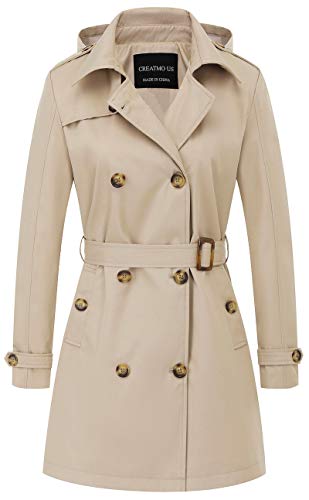
Pair it with jeans and sneakers for sightseeing, or wear it over a dress for dinner.

Just remember that a traditional trench coat is not designed to replace a winter coat. If temperatures are expected to be very cold, you will need additional layers or a warmer outer layer.
What Features Should You Look for in a Travel Coat?
The best coat for travel in Europe should do more than look good in your vacation photos.
Consider these features before buying:
Weather Resistance
European weather can vary significantly between destinations and seasons. Water-resistant or waterproof materials can be particularly useful when rain is part of the forecast.
Comfortable Fit
You should be able to wear a sweater underneath your coat without feeling restricted. Try moving your arms around before buying it. If you can barely hug yourself, imagine doing that while carrying a backpack.
Useful Pockets
Good pockets are surprisingly valuable while traveling. Zipped or secure pockets can be useful for small essentials while walking around busy cities.
Lightweight Construction
If you are moving between destinations, a heavy coat can become annoying quickly. A lighter coat is easier to carry, pack, and wear throughout the day.
Versatile Color
Neutral colors generally make travel wardrobes easier to coordinate. Black, navy, beige, camel, gray, and olive can work with a wide range of outfits.
What Coat Should You Wear in Europe by Season?
The best coat for travel in Europe depends heavily on when you visit.
Spring
For mild spring trips, consider a trench coat, lightweight waterproof jacket, or light insulated jacket. Northern Europe can remain quite chilly, so check the forecast for your specific destinations.
Summer
A heavy coat usually is not necessary for most European summer trips. A lightweight waterproof jacket can still be useful for cooler evenings or rainy days.
Fall
Fall is one of the easiest seasons for a versatile travel coat. A wool-blend coat, lightweight puffer, or water-resistant jacket can work well depending on temperatures.
Winter
For winter travel, prioritize warmth and weather protection. A well-insulated puffer, warm parka, or substantial wool coat can be suitable, with the choice depending on the destination and forecast.

How to Style One Coat for an Entire European Trip
If you are trying to keep your suitcase under control, choose one coat that works with most of your wardrobe.
A simple travel capsule might include:
- Straight-leg jeans
- Black trousers
- A few knit sweaters
- Long-sleeve tops
- Comfortable walking shoes or boots
- A scarf
- A versatile coat
A scarf is particularly useful because it can add warmth without requiring you to pack another bulky layer.
Stick with a simple color palette and choose pieces that can be mixed and matched. Your coat becomes the finishing piece that pulls everything together.
Final Thoughts on the Best Coat for Travel in Europe
The best coat for travel in Europe is the one that suits your destination, season, itinerary, and personal style.
For colder trips, a lightweight puffer or insulated parka offers practical warmth. A wool coat is a stylish choice for city breaks, while a trench coat works beautifully for milder weather. If rain is likely, prioritize weather resistance and a hood.
Most importantly, choose a coat you can comfortably walk in for hours. European vacations often involve more walking than your daily step counter initially appreciates.
Choose wisely, layer thoughtfully, and let your coat earn its precious suitcase space.
📌 Pin to Save 📌
Follow me on:






I’m kind of obsessed with winter coats so really enjoyed this post. Ironically, I have bought coat specifically for visits to London and Paris on past visit became what I wear here in the US, just won’t work there!
Glad to know you enjoyed this. Winter coats are a great way to add some oomph to one’s style, aside from being functional of course. Sorry to hear it won’t work in Europe, but at least it is useful in the States.
I love all these cute coat options! And I love the variety for the different seasons. There are so many that I’d love to get for my next trip!
Glad you love them. I’m eyeing some of them myself.
I like many of these coats… Ehh I’m in a mood for shopping 😛
Glad to know you like them 🙂
Great tips! I love the fall but I dislike the cold. Partially because I am cold but partially because packing becomes so much more difficult when needing thicker clothes and jackets. With that said, I’ve been caught a few times in situations where I definitely should have brought a coat so my go-to now is a good cardigan.
Thank you! So true about loving fall, but disliking the cold; that’s how I feel, too. And yes, packing becomes more challenging when traveling during the cold seasons.
I love the range of coats here as they cover a variety of weather conditions which you’re likely to experience in Europe. It’s great to have something that can have multiple purposes, I will have to check some of them out!
Oh true, a versatile one would be a great buy. Glad to know you love them.