Last updated on at 01:43 pm
If you are wondering what to wear while traveling in Europe, you are not alone. Packing for Europe can feel like preparing for a fashion show that also involves cobblestones, train sprints, surprise rain showers, and at least 20,000 steps per day.
Europe is incredibly diverse when it comes to climate. The weather in southern Spain is very different from the weather in Norway. The key to dressing well while traveling in Europe is understanding the season, packing versatile pieces, and remembering that comfort is just as important as style.
Let’s break it down season by season so you can pack confidently and still look like you belong in a charming European café.

This post may contain affiliate links that may earn me a commission, at no additional cost to you, if you buy via them. As an Amazon Associate, I earn from qualifying purchases. Please see our Disclosure for more info.
What to Wear While Traveling in Europe in Spring
Spring in Europe typically runs from March to May. Temperatures vary widely depending on the region. Southern Europe, like Italy, Spain, and Portugal, warms up earlier, while northern and central Europe can still feel quite chilly in March and even April.
Average spring temperatures in many European cities range from about 10°C to 20°C, depending on the month and location.
What to Pack for Spring
Layers are your best friend.
Start with:
- Lightweight sweaters or knit tops
- Long sleeve shirts
- A light to medium jacket, such as a trench coat or a packable waterproof jacket
- Comfortable jeans or tailored trousers
- Midi skirts with tights for cooler days
- Comfortable walking shoes, such as leather sneakers or supportive flats
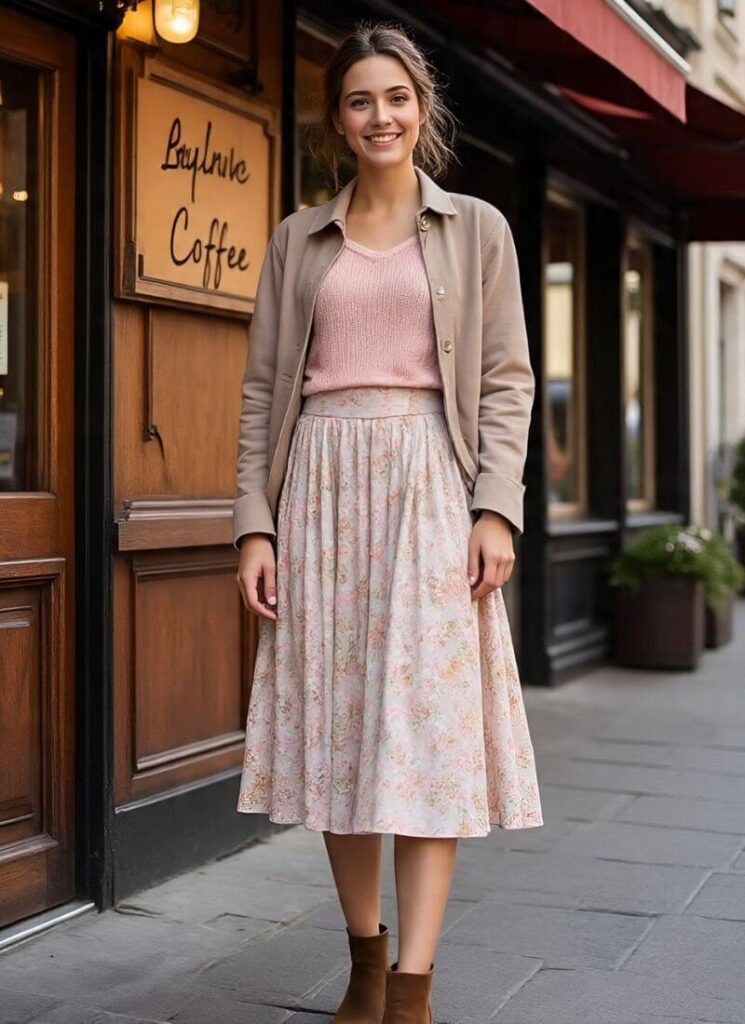
Rain is common in spring, especially in cities like Paris, London, and Amsterdam. A compact umbrella or a waterproof jacket is practical and not optional.
For shoes, choose something you can walk in for hours. Cobblestones are not impressed by flimsy sandals. Leather sneakers, supportive loafers, or ankle boots work well.


Style tip for spring in Europe, stick to neutral colors and simple silhouettes. Europeans tend to dress in a more understated way. You do not need to wear all black, but classic pieces in neutral shades will help you blend in easily.
What to Wear While Traveling in Europe in Summer
Summer in Europe, from June to August, can range from pleasantly warm to very hot. Southern Europe often sees temperatures above 30°C in July and August. Cities like Rome, Athens, and Seville can be especially hot. Northern Europe tends to be milder but can still have warm days.
When planning what to wear while traveling in Europe in summer, think breathable, light, and practical.

What to Pack for Summer
Focus on lightweight fabrics such as cotton and linen.
Bring:
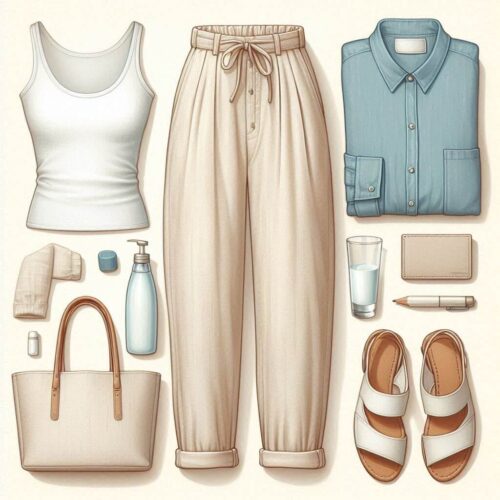
- Breathable dresses, midi or maxi styles are great for sightseeing
- Lightweight tops, such as cotton tees or sleeveless blouses
- Tailored shorts or loose linen trousers
- Comfortable sandals with support
- A light scarf for church visits or cooler evenings
Many historic sites and churches require modest dress. In places like Italy and Spain, you may need to cover your shoulders and knees to enter certain religious sites. A light scarf can quickly solve this problem and doubles as sun protection.

Avoid very high heels. European streets are often uneven, and you will likely walk far more than you expect.
Also, air conditioning is not as common or as strong as in some other regions. Lightweight layers are helpful for train rides or cooler evenings, especially in northern Europe.
What to Wear While Traveling in Europe in Fall
Fall, from September to November, is one of the best times to visit Europe. The weather is cooler, the crowds are smaller, and the scenery can be stunning.
Temperatures typically range from around 10°C to 20°C in early fall, then drop steadily as winter approaches.
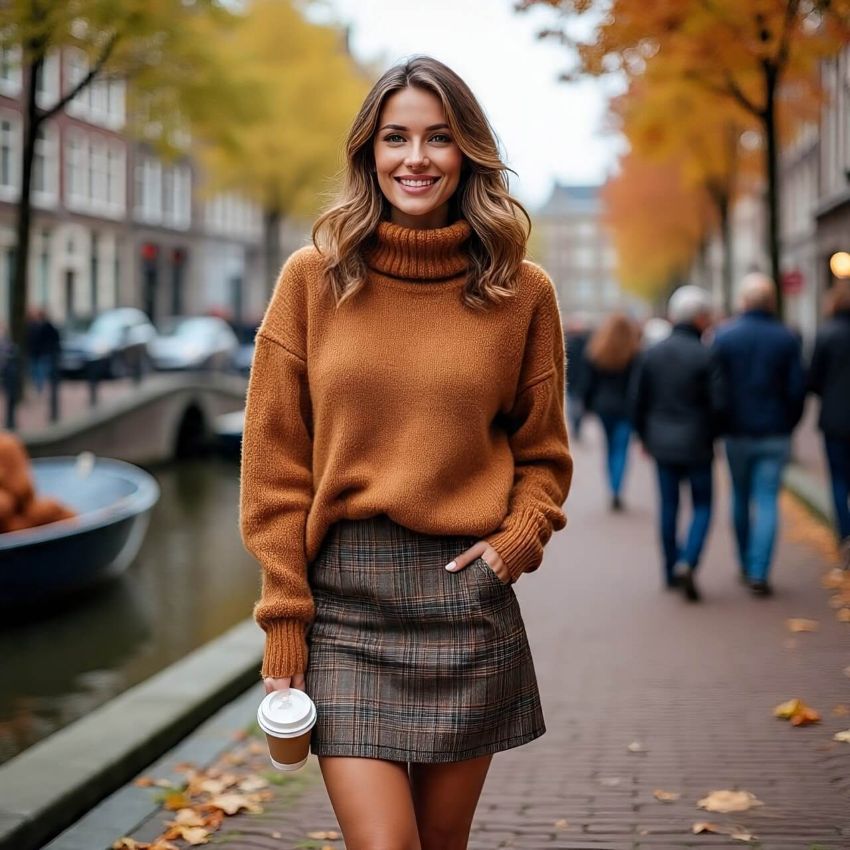
What to Pack for Fall
Fall dressing is all about smart layering.
Consider packing:
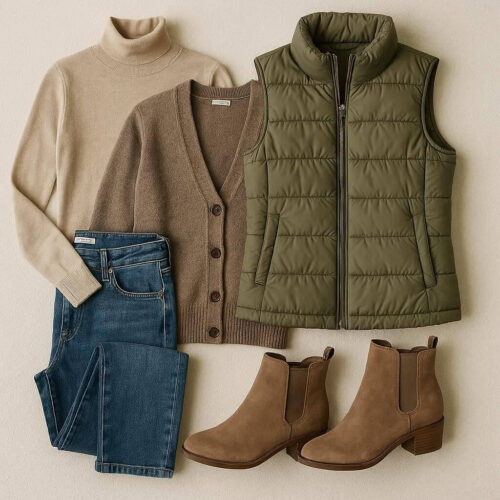
- Sweaters and cardigans
- Long sleeve tops
- A medium-weight coat or jacket
- Dark jeans or tailored trousers
- Ankle boots or stylish sneakers
- A scarf for warmth and style
September can still feel like summer in southern Europe, while October and November can be quite cool in cities like Berlin or Prague.
A trench coat, wool-blend coat, or structured jacket works well in many European cities. It adds polish without sacrificing comfort.

Fall is also a great time to lean into classic European style. Think tailored pieces, structured bags, and simple accessories. You will look put together, and your photos will look effortlessly chic.
What to Wear While Traveling in Europe in Winter
Winter in Europe, from December to February, can be cold, especially in central and northern regions. Temperatures in cities like Vienna, Munich, and Warsaw often hover around freezing. Southern Europe is milder but still cool, usually between 5°C and 15°C.
If you are traveling to mountain regions or northern countries like Norway or Sweden, expect much colder conditions.

What to Pack for Winter
Warmth is the priority.
Essentials include:
- A warm coat, such as a wool coat or insulated parka
- Sweaters, thermal tops, or heat-retaining base layers
- Warm trousers or thick leggings
- Waterproof boots with good traction
- A scarf, gloves, and a hat

Layering is essential in winter. Many museums, shops, and cafés are heated, so you will want to remove outer layers easily.
If you plan to visit Christmas markets, you will likely be outdoors for long periods. Insulated boots and thermal socks make a noticeable difference. Looking cute is great, but not if your toes are frozen.
General Tips on What to Wear While Traveling in Europe
No matter the season, there are a few universal rules for deciding what to wear while traveling in Europe.
Prioritize Comfortable Shoes
You will walk more than you think. European city centers are often pedestrian friendly, and many historic areas have cobblestone streets. Choose shoes with proper support. Break them in before your trip.
Pack Versatile Pieces
Stick to items that mix and match easily. A capsule wardrobe approach works beautifully for European travel. Neutral colors make it easier to create multiple outfits from fewer pieces.
Dress Respectfully for Cultural Sites
Many churches and religious sites require modest clothing. Bring a light layer you can use to cover shoulders or knees when needed.
Avoid Overpacking
Most European accommodations, especially in older buildings, may not have elevators. Carrying a massive suitcase up narrow staircases is not a fun way to start your trip.
Final Thoughts on What to Wear While Traveling in Europe
Deciding what to wear while traveling in Europe does not have to be stressful. Focus on the season, check the weather for your specific destinations before you leave, and build outfits around comfort, practicality, and simple style.
Europe rewards travelers who are prepared. When you pack thoughtfully, you can spend less time worrying about your outfit and more time enjoying charming town squares, historic streets, and long café lunches.
Follow me on:



Leave a Reply